
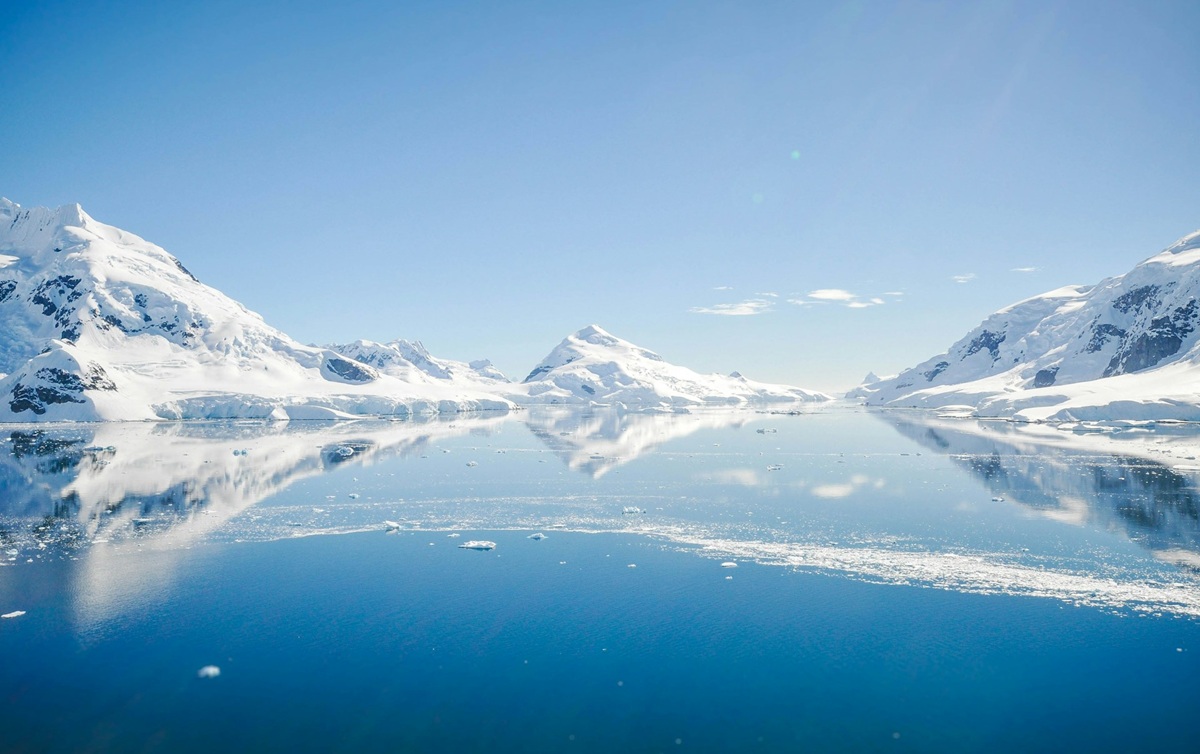
Living in Antarctica is a once-in-a-lifetime adventure. You’re thousands of miles from the nearest bank, have limited access to the internet, and are surrounded by ice.
But even when you’re off the grid, your financial life can’t be. Whether you’re a scientist stationed at McMurdo, a contractor running logistics, or part of the support crew, you’ve still got bills, savings goals, and taxes back home.
In this article, we provide an overview of everything you need to think about – taxes, banking, investments, retirement, estate planning, and practical money management – for Americans living and working on the southernmost continent.
What working in Antarctica means for your taxes
Many Americans assume that as they are outside the US, they aren’t liable to US taxation. This is a myth unfortunately, as the US has a citizenship-based taxation system. Most Americans working abroad can claim the Foreign Earned Income Exclusion to exempt their income from US tax, however Americans working in Antarctica can’t. This is because Antarctica isn’t a country. It’s governed by an international treaty and has no formal government, no permanent residents, and no tax system. That means the IRS doesn’t consider it a “foreign country” for tax purposes.
So if you’re working there, even for a foreign employer, your income is fully taxable in the US as if you were living in the US.
Most Americans in Antarctica are employed by the federal government, a university, or a US contractor. That means your income is subject to regular US payroll taxes, Social Security contributions, and year-end W-2s.
Banking and currency logistics in a frozen world
There are no banks or ATMs in Antarctica. Everything needs to be set up before you arrive so that it runs smoothly while you’re away.
- Online banking: Choose a bank with strong mobile and online services. You won’t be able to visit a branch or call support easily. You also most likely won’t be able to use SMS for 2-factor authentication so if possible set 2-factor up using an App.
- Autopay for bills: Set up automatic payments for loans, credit cards, rent, insurance – anything you’ll still owe while away.
- Financial proxy: Give a trusted person power of attorney or limited access in case something goes wrong while you’re away.
Your employer will usually pay you in USD. If you’re working under a foreign contract though, confirm whether you’ll be paid in another currency or USD. If you’re paid to a foreign bank and you want to transfer it to the US, use a currency broker or a platform such as Wise to minimize fees and currency transfer costs compared to bank to bank international transfers.
In short, simplify everything before you leave the US, as you won’t be able to deal with complex banking issues once you’re there and you won’t have cell phone access.
Investing when you’re off the map
Just because you’re isolated doesn’t mean your investments have to stop. In fact, with no shops there, your time in Antarctica can be a great chance to save, invest, and focus on long-term growth.
Stick to US-based investment accounts. That means:
- Brokerage accounts with US firms
- IRAs and Roth IRAs (if eligible)
- 401(k) or 403(b) if you’re working for an employer that offers them
Avoid foreign funds and investment platforms, as many of them trigger something called Passive Foreign Investment Company (PFIC) rules, which come with nasty tax consequences and extra paperwork.
Note though that some US brokerage accounts limit access or won’t work with you while you’re not a US resident. Speak to a cross-border financial advisor before you leave to explore your options. It also might be convenient to have a financial advisor who can more easily manage your investments while you are in Antarctica and can also initiate money transfers and other administrative tasks for you.
Retirement planning while you work in Antarctica
Most jobs in Antarctica are temporary, seasonal contracts that last a few months to a year. That doesn’t mean you should ignore your retirement planning.
If you’re earning income through a US employer, you’re still paying into Social Security. Those credits count toward your future benefits.
You may also be eligible to contribute to:
- Traditional or Roth IRAs: If you have earned income and meet the thresholds.
- 401(k) or 403(b): Depending on your employer, especially if you’re with a government agency or research institution.
- Thrift Savings Plan (TSP): For federal employees and contractors.
Use this opportunity to max out contributions if possible. With fewer spending options, it’s a great opportunity to save for your future.
Estate planning in remote environments
No one wants to talk about estate planning before a big adventure, but when you’re heading somewhere remote and disconnected, it’s essential.
Before you leave the US, make sure you’ve updated your:
- Will
- Power of attorney
- Healthcare directives
- Beneficiaries on retirement accounts and life insurance
These documents should follow US law. You won’t need to worry about cross-border issues or foreign inheritance rules, because there’s no local government in Antarctica to enforce anything. Still, you want to be sure your affairs are in order before you head off the grid.
Also, give someone back home access to key accounts and legal documents. If something happens, they need to act fast without waiting for permission from the South Pole.
Managing expenses and controlling costs
When you’re in Antarctica, you’ll need to stay on top of your ongoing payments in the US, such as:
- Rent or mortgage payments
- Utility bills or subscriptions
- Loan or credit card payments
- Storage units or insurance policies
Because you’re not actively watching these accounts, you need to set them up to run themselves reliably and securely. Consider using budgeting software or shared spreadsheets so someone else can spot issues if needed.
Again, avoid any services that rely on two-factor authentication by phone, authenticator apps or backup codes can be a lifesaver.
Summary of financial strategies for Americans working in Antarctica
Here is a summary of the strategies that will make the biggest difference while you’re living and working in Antarctica:
- Consult a cross border financial advisor before you leave and define your financial goals before departure. Decide what you want to accomplish, such as investing, paying off debt, or saving for retirement.
- Build an emergency fund in USD. Keep cash accessible for emergencies, whether they’re personal or logistical.
- Switch to banks and brokers who support remote clients. Some US banks freeze accounts if they detect “foreign” logins. Choose one that understands expats and contractors.
- Avoid PFICs by sticking to US-based investments. If you’re paid in another currency, foreign funds may look tempting, but the IRS paperwork and possible taxes aren’t worth it.
- Diversify your portfolio thoughtfully. Even while working in one of the world’s most extreme places, your investments should stay globally balanced.
- Use tax-advantaged accounts if you can. These might include 401(k)s, IRAs, and TSPs – whatever fits your income and employment status.
- Work with a financial advisor who understands your situation. Not every advisor knows what it means to work under the Antarctic Treaty. Find a cross-border specialist who does.
FAQs for Americans in Antarctica
Is income earned in Antarctica taxable in the US?
Yes. You must report and pay US taxes on all income earned while working in Antarctica. The FEIE does not apply.
Can I claim foreign tax credits or exclusions?
Not usually. Since Antarctica has no tax system, there’s nothing to claim credit for. You file as if you worked in the US.
Can I invest in foreign funds while stationed there?
You can, but you probably shouldn’t. Most foreign funds trigger PFIC rules, which complicate your taxes.
What about retirement planning?
Keep it US-based. You can still contribute to Social Security and retirement accounts depending on your employment setup.
Do I need estate documents even for a short contract?
Yes. Remote environments demand preparedness. Having your affairs in order protects your family and your assets.
Financial planning and investing for Americans in Antarctica
Antarctica is remote, intense, and disconnected. This means it’s important to assess your financial goals and get everything set up before you leave the US, if possible.
Everything needs to be set up, automated, and resilient before you go, including taxes, banking, investments, estate plans, and backup plans.
Whether you’re researching climate change or running a diesel generator, you want your finances to hum quietly but productively in the background with no drama or distractions.
Plan well, then enjoy the adventure.
If you have any questions about your situation or require assistance managing your investments as an American living abroad, get in touch.
This article is for informational purposes only; it is not intended to offer advice or guidance on legal, tax, or investment matters. Such advice can be given only with full understanding of a person’s specific situation.